Most business owners don't need a business coach. They need a liar detector. The coaching industry has become a dumping ground for motivational speakers, self-proclaimed experts, and people who have never actually built a business telling you how to build yours. But when you find the right business coach, someone who has walked the path and carries the scars to prove it, the impact on your revenue, operations, and sanity can be transformative. The question is not whether you need coaching. The question is whether you can afford to keep going without it while your competitors figure it out first.
The Business Coaching Industry Has a Credibility Problem
The barrier to entry for becoming a business coach is essentially zero. Anyone with a laptop and a social media account can claim expertise, package it into a course, and start charging thousands of dollars for advice they have never actually implemented themselves. This has created a market flooded with people selling frameworks, formulas, and five-step systems that sound impressive in a webinar but collapse under the weight of real-world application.
Real business coaching is not about motivation. It is about execution. It is about identifying the specific bottlenecks in your operations, sales processes, or leadership structure and fixing them with measurable, repeatable systems. A good business coach does not sell you on their personality. They sell you on their track record of building, scaling, and sometimes exiting actual businesses.
What Separates Real Coaches From Pretenders
The difference comes down to three factors: experience, honesty, and accountability. A real business coach has built something themselves. They have hired, fired, closed deals, managed payroll during a slow month, and made decisions that kept them up at night. They do not need to hide behind certifications or fancy titles because their results speak for themselves.
Honesty is even rarer. Most coaching programs are designed to keep you dependent, not successful. They dangle progress just out of reach so you keep renewing. They avoid tough conversations about your performance because they are afraid you will cancel. A real business coach tells you the truth, even when it stings, because getting you results matters more than protecting your ego.
Accountability is where most programs fail completely. They give you a workbook, some videos, and a monthly call, then blame you when nothing changes. Real coaching means someone is tracking your progress, calling you out when you are not executing, and helping you course-correct in real time. Building a business-driven coaching culture requires alignment between what you say you want and what you actually do, and a good coach holds that tension until you close the gap.

Why Most Small Business Owners Resist Coaching
Pride is part of it. You built this business from nothing. You figured out how to get your first customer, make your first hire, survive your first slow season. Admitting you need help feels like admitting failure. But resistance to coaching is usually not about pride. It is about pattern recognition. You have been burned before by someone who promised results and delivered nothing but buzzwords and busy work.
The second reason is cost. Business coaching is expensive, and when you are already stretched thin, spending thousands of dollars a month on advice feels reckless. But here is the math most owners miss: if a business coach helps you close one extra deal, hire one better person, or eliminate one operational bottleneck, the ROI is not incremental. It is exponential. The right coach does not cost you money. They make you money.
The Real Cost of Going It Alone
Operating without outside perspective creates blind spots you cannot see and problems you cannot solve. You become the bottleneck in your own business because you are too close to the work to see what is broken. Your team stops bringing you problems because they know you are overwhelmed. Your sales plateau because you are doing the same things that got you here, expecting different results.
The cost is not just revenue. It is time. It is relationships. It is the slow erosion of the passion that made you start the business in the first place. A business coach does not just help you make more money. They help you get your life back by building systems that do not require you to be involved in every decision, every sale, every fire that needs putting out.
What a Business Coach Actually Does
A business coach is not a consultant who hands you a report and walks away. They are not a therapist who validates your feelings. They are a combination of strategist, drill sergeant, and truth-teller who helps you identify what is broken, build a plan to fix it, and hold you accountable until the work is done.
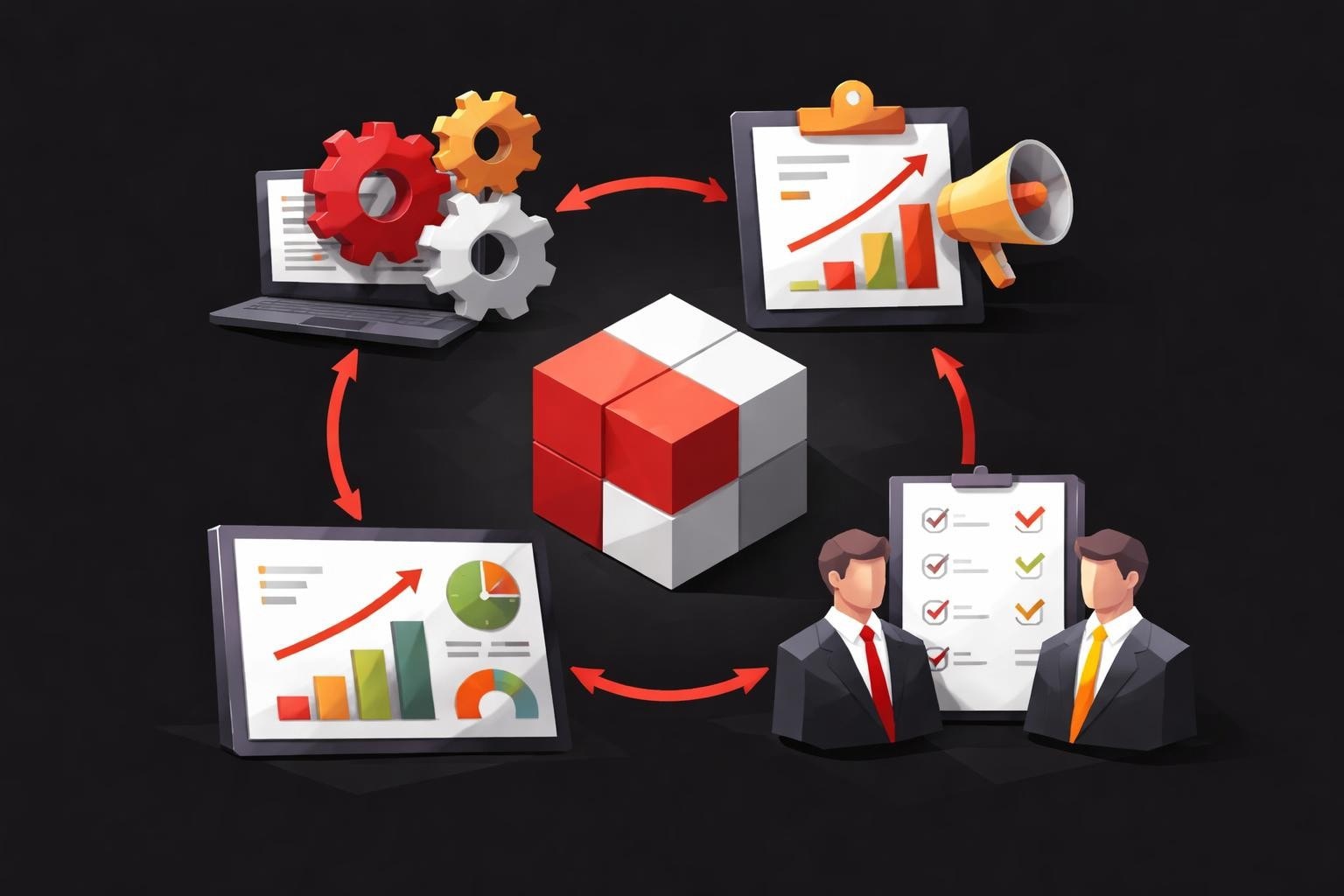
The best business coaches work across three core areas: sales, operations, and leadership. These are the three pillars that determine whether your business grows or stagnates, and most owners are strong in one, maybe two, but rarely all three.
Sales Coaching That Actually Generates Revenue
Most sales coaching is garbage. It teaches scripts, objection handling, and closing techniques that feel manipulative and do not work in real conversations. Real sales coaching is about building a system that brings in consistent revenue without requiring you to personally close every deal.
This means teaching you how to qualify leads so you stop wasting time on people who will never buy. It means building a follow-up process that does not rely on your memory or motivation. It means tracking metrics that actually matter, like conversion rates and average deal size, so you know what is working and what is not. Effective business management coaching techniques emphasize setting clear goals and providing constructive feedback, which translates directly into better sales performance.
A good sales coach also helps you get out of the sales process entirely. They show you how to hire, train, and manage a salesperson or team so you can focus on running the business instead of chasing every lead yourself.
Operational Coaching to Fix What's Broken
Operations are where most small businesses fall apart. You have processes in your head that have never been documented. You have systems that work until someone quits or goes on vacation. You have inefficiencies that cost you thousands of dollars a month because you have gotten used to them.
Operational coaching means creating standard operating procedures, org charts, and workflows that allow your business to function without you micromanaging every detail. It means identifying where automation can replace manual work and where you need to hire instead of trying to do everything yourself.
| Operational Area | Common Problem | Coaching Solution |
|---|---|---|
| Documentation | Processes only exist in owner's head | Create SOPs for all core functions |
| Delegation | Owner involved in every decision | Build decision-making framework for team |
| Efficiency | Manual tasks consuming hours daily | Implement automation and AI tools |
| Scalability | Systems break when volume increases | Design processes that scale with growth |
The goal is not perfection. It is progress. A business coach helps you prioritize which operational fixes will have the biggest impact and implement them in a way that does not require shutting down the business to rebuild it.
Leadership Coaching for Owners Who Are the Bottleneck
You are probably the biggest problem in your business. Not because you are bad at what you do, but because you have not learned to delegate, trust your team, or let go of control. Leadership coaching is about helping you transition from being the person who does everything to being the person who ensures everything gets done.
This includes hard conversations about performance, hiring people who are better than you in specific areas, and building a culture of accountability where your team takes ownership instead of waiting for you to tell them what to do. Successfully coaching employees requires setting clear expectations and actively listening, skills that translate directly into better leadership.
Leadership coaching also means working on yourself. Your mindset, time management, decision-making speed, and ability to handle stress all impact your business. A good business coach does not ignore this. They address it head-on because fixing the business starts with fixing the owner.

How to Choose a Business Coach Who Actually Delivers
The first filter is experience. Do not hire a business coach who has not built a business. Certifications do not matter. Books do not matter. What matters is whether they have done what you are trying to do and succeeded at it. Ask about their track record. Ask for specifics. Ask for references from clients who are in your industry or facing similar challenges.
The second filter is structure. How do they work with clients? Is it one-on-one or group coaching? How often do you meet? What happens between calls? The best coaching relationships combine regular strategy sessions with ongoing accountability, not just a monthly call where you recap what you did not do.
Red Flags to Watch For
Long-term contracts are a red flag. If a business coach requires you to commit for six or twelve months upfront, it is because they know their results do not justify renewal. Good coaches work month to month because they are confident you will stay based on the value they deliver, not because you are locked into a contract.
Vague promises are another warning sign. If a coach talks about transformation, breakthroughs, and leveling up without giving you specific, measurable outcomes, run. Real coaching is tactical. It is about increasing revenue by X percent, reducing operational costs by Y amount, or freeing up Z hours of your time per week.
Lack of customization is the third red flag. If a business coach is trying to sell you the same program they sell everyone else, they are not coaching. They are selling a course with a coaching label. Real coaching is tailored to your specific business, industry, challenges, and goals.
Questions to Ask Before You Hire
Before you sign up, ask these questions:
- What businesses have you personally built or scaled?
- Can I speak with current or former clients in my industry?
- What metrics will we track to measure progress?
- How do you handle it when a client is not executing?
- What is your cancellation policy?
The answers will tell you everything you need to know. A confident, experienced coach will have clear answers and welcome the scrutiny. A fraud will deflect, pivot to their methodology, or try to pressure you into a decision.
The Role of Technology and AI in Business Coaching
The coaching industry is evolving rapidly, and technology is playing a bigger role than ever. AI integration in professional coaching workflows is becoming standard practice, with coaches using tools to analyze client data, automate follow-up, and provide more personalized recommendations between sessions.
But technology is a tool, not a replacement. The best business coaches use AI to enhance their work, not hide behind it. They might use automation to streamline scheduling, CRM systems to track client progress, or AI tools to analyze financial data and identify trends. What they do not do is replace human judgment, experience, and accountability with a chatbot.
How Coaches Are Leveraging Automation
Smart coaches are teaching their clients to use the same tools they use. This means showing you how to implement customer relationship management systems, automate marketing follow-up, and use AI to handle routine tasks so you can focus on high-value work. The goal is not to make you dependent on their expertise. It is to transfer knowledge so you can eventually operate without them.
This is where most coaching programs fail. They want you dependent. They want you coming back month after month because you have not been equipped to solve problems on your own. Real coaching builds capacity. It teaches you how to think, how to prioritize, and how to execute so that even after the coaching relationship ends, you continue to grow.
Industry Trends Shaping Business Coaching in 2026
The coaching industry is experiencing significant transformation, driven by specialization, technology integration, and a growing emphasis on measurable outcomes. Generic business coaches are being replaced by specialists who focus on specific industries, company sizes, or problem areas.
Virtual coaching has become the norm, not the exception. This has expanded access but also increased competition. Coaches who cannot deliver results quickly lose clients to competitors who can. The market is rewarding execution and punishing hype, which is exactly what it should have been doing all along.
The Shift Toward Accountability-Based Models
One of the most important trends is the move away from long-term contracts toward accountability-based, month-to-month relationships. New trends in the coaching industry show that clients are demanding more flexibility and coaches are responding by offering shorter commitments with clearer deliverables.
This shift benefits everyone except the coaches who were relying on contracts to compensate for poor results. For business owners, it means less risk, more control, and the ability to walk away if the coaching is not working. For good coaches, it means their results speak for themselves and client retention is based on value, not obligation.
| Trend | Impact on Coaching | Impact on Clients |
|---|---|---|
| AI Integration | Coaches deliver faster insights and recommendations | Clients get more personalized, data-driven guidance |
| Hyper-Specialization | Coaches develop deep industry expertise | Clients work with coaches who understand their specific challenges |
| No-Contract Models | Coaches must deliver consistent value to retain clients | Clients have flexibility to cancel without penalty |
| Virtual Delivery | Coaches can work with clients globally | Clients access top coaches regardless of location |
What Business Coaching Costs and What You Should Expect
Pricing for business coaching varies wildly, from a few hundred dollars a month for group programs to tens of thousands for one-on-one executive coaching. The cost usually correlates with the coach's experience, the level of customization, and the intensity of the engagement.
For small business owners, expect to pay between two thousand and ten thousand dollars per month for quality one-on-one coaching. Group coaching programs are cheaper, typically ranging from five hundred to two thousand dollars per month, but you get less personalized attention and accountability.
Is It Worth the Investment?
The ROI calculation is simple. If coaching helps you increase revenue, reduce costs, or reclaim time that you can reinvest in growth, it pays for itself. The problem is most owners evaluate coaching as an expense instead of an investment. They compare the monthly fee to their other costs and balk at the number without considering the potential return.
A better way to think about it: what is the cost of not fixing the problems you are facing? What is the cost of another year of stagnant revenue? What is the cost of burnout, turnover, or losing clients to competitors who figured out what you are still struggling with? When you frame it that way, coaching stops looking expensive and starts looking essential.
Payment Models and What They Reveal
How a business coach structures payment tells you a lot about their confidence. Upfront payment for six or twelve months signals that they need cash flow security because their clients do not stick around. Monthly billing with no contract signals confidence that clients will renew based on results.
Some coaches offer performance-based pricing, where part of their fee is tied to achieving specific outcomes. This sounds appealing but can create misaligned incentives. The best model is straightforward monthly billing with clear deliverables and the freedom to cancel if it is not working.

Common Mistakes Business Owners Make With Coaching
The first mistake is treating coaching like a magic pill. You hire a coach, show up to calls, and expect your business to transform without changing your behavior. Coaching only works if you execute. If you are not willing to implement what you learn, do not waste the money.
The second mistake is not being honest. Owners hide problems, exaggerate progress, and avoid difficult conversations because they want to look good. This is self-sabotage. Your business coach cannot help you solve problems they do not know exist. Transparency is not optional. It is required.
Failing to Track and Measure Results
Another common mistake is failing to track metrics. You start coaching with vague goals like "grow the business" or "get more organized," but you never define what success looks like or how you will measure it. The ten commandments of effective business coaching emphasize setting objective measures of progress, which is impossible without clear metrics.
The best coaching relationships establish baseline metrics in week one and track progress religiously. This might include revenue, profit margins, lead conversion rates, employee retention, or hours worked per week. Without measurement, you have no way to know if coaching is working or just making you feel better.
Choosing a Coach Based on Personality Instead of Results
Likability matters, but it should not be the deciding factor. The best business coach for you might not be the most charismatic or the one who makes you feel good. They might be the one who challenges you, holds you accountable, and refuses to let you settle for mediocrity.
Too many owners hire coaches who are great at selling but terrible at coaching. They are charismatic, motivating, and fun to be around, but they do not deliver results because they have never built a business themselves. Do not confuse entertainment with expertise.
Frequently Asked Questions
How do I know if I need a business coach?
You need a business coach if your business has plateaued, you are working more hours than you want, or you feel like you are guessing instead of executing a clear strategy. If you are stuck on the same problems for more than six months, outside perspective and accountability can break the cycle.
What is the difference between a business coach and a consultant?
A consultant typically analyzes your business, provides recommendations, and leaves. A business coach works with you over time to implement changes, hold you accountable, and adjust strategy based on results. Coaching is ongoing and focuses on building your capacity to solve problems independently.
How long does it take to see results from business coaching?
Most clients see measurable improvements within 60 to 90 days if they are executing consistently. Revenue increases take longer, typically three to six months, because changes to sales processes and operations need time to compound. Leadership and mindset shifts can show immediate impact but take longer to fully embed.
Can business coaching work for any industry?
Yes, but the coach needs relevant experience or the ability to quickly understand your specific challenges. Industry-specific coaches often deliver faster results because they have seen the problems before and know what works. Generalist coaches can be effective if they focus on universal principles like sales systems, operations, and leadership rather than industry tactics.
What happens if the coaching is not working?
The best coaches will have honest conversations about progress and adjust their approach if something is not working. If there is a fundamental mismatch in expectations, communication style, or commitment level, it is better to end the relationship than continue paying for something that is not delivering value. This is why month-to-month arrangements are superior to long-term contracts.
Choosing a business coach is one of the most important decisions you will make as a business owner, and it should not be taken lightly or rushed into based on a slick sales pitch. The right coaching relationship delivers clarity, accountability, and measurable growth, while the wrong one wastes time and money you cannot afford to lose. If you are ready to work with a team that has actually built businesses, tells you the truth, and holds you accountable without locking you into a contract, Accountability Now offers the no-nonsense coaching approach that delivers real results.