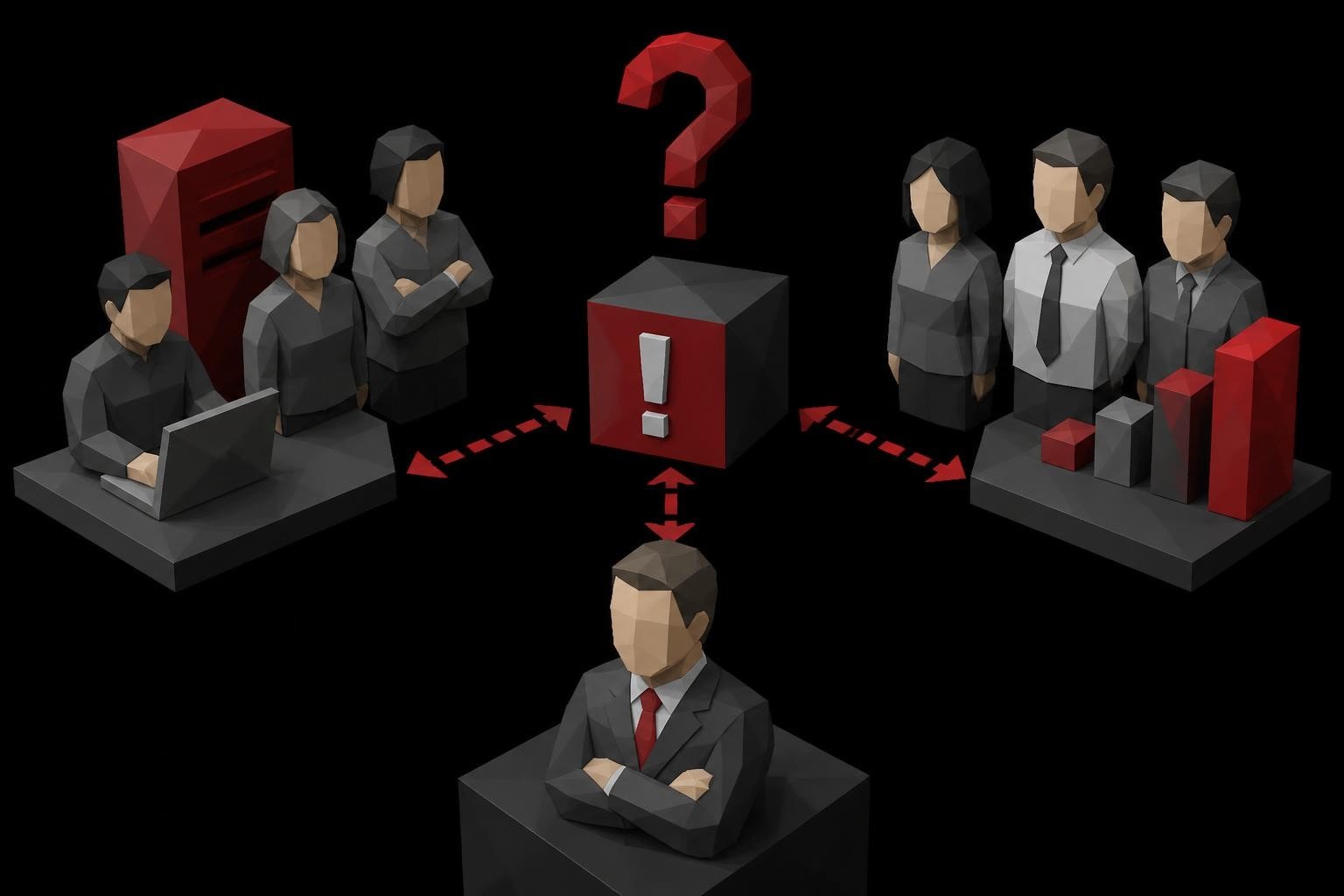
If you’re serious about growing your business, hiring a business development coach can make all the difference. These coaches help companies uncover new growth opportunities, sharpen strategy, and build stronger leadership skills.
In this post, we’ll break down what a business development coach actually does, how they help drive rapid growth, and what to look for when choosing the right coach for your business. You’ll also learn how to set coaching goals, measure results, and make sure the investment pays off—in revenue, operations, team performance, and customer satisfaction.
Understanding Business Development Coaching
Business Development Coaching is a powerful and specialized form of coaching designed to help businesses identify and seize growth opportunities, sharpen their strategic planning, enhance essential business skills, and inspire leaders to reach their full potential. This type of coaching is a collaborative and dynamic process, where the coach partners closely with business owners, executives, and teams to unlock their potential, drive success, and foster sustainable growth.
What is Business Development Coaching?
Business development coaching is a focused, strategic partnership designed to help businesses grow. A business development coach brings real-world experience and sharp insight to the table—acting as a mentor, guide, and sounding board.
Their role is to help you spot what’s not working, uncover hidden opportunities, and move faster toward your goals. Whether it’s expanding into new markets, streamlining operations, or strengthening leadership, a good coach tailors their approach to fit your business—not the other way around.
A business development coach works with you to unlock growth and build a stronger, more focused business. The approach is tailored to your needs—but the goals are clear: better strategy, smarter decisions, and stronger leadership.
Here are the core outcomes you can expect:
1. Spotting Growth Opportunities
A coach helps you find new ways to grow—whether that’s entering a new market, launching a product, or using your current resources more effectively.
2. Strengthening Strategic Planning
You’ll work together to build or refine your business plan. That includes setting clear goals, choosing the right priorities, and mapping out how to get there.
3. Building Real Business Skills
From sales and marketing to operations and finance, coaching improves the day-to-day skills that drive long-term success—especially for owners and executives.
4. Motivating Stronger Leadership
Coaches help leaders lead better. That means developing confidence, improving focus, and creating a mindset that’s built for growth—even when things get tough.
Benefits of Business Development Coaching
Partnering with a business development coach can bring numerous benefits to businesses, including:
- Enhanced Growth Strategies: Business development coaches provide fresh perspectives and innovative strategies to drive business growth. They help businesses identify and capitalize on opportunities that may have been overlooked.
- Improved Decision-Making: Coaches assist in developing effective decision-making skills, enabling businesses to make informed choices based on data, analysis, and strategic thinking.
- Increased Accountability: Coaches hold businesses accountable for their actions and progress towards their goals. This accountability helps maintain focus, discipline, and commitment to achieving desired outcomes.
- Expanded Network: Business development coaches often have extensive networks and connections. They can facilitate introductions, partnerships, and collaborations that can benefit businesses in terms of new clients, suppliers, or strategic alliances.
- Personal and Professional Development: Business development coaching not only focuses on business growth but also on personal and professional development. It helps business owners and executives improve their leadership skills, manage stress, and achieve a better work-life balance.
The Role of a Business Development Coach
A business development coach wears many hats—but every responsibility comes back to one goal: helping your business grow, faster and smarter. From strategy to leadership to partnerships, here’s what they really do.
1. Uncover New Growth Opportunities
Your coach helps you see what others miss. They review your current position, study the market, and pinpoint where you can grow—whether that’s launching something new, entering a different market, or using what you already have more effectively.
2. Guide Strategic Planning
A coach works with you to map out a clear path forward. That includes setting long-term goals, building actionable strategies, and creating a plan that’s ambitious but grounded. They’ll also challenge assumptions and bring fresh ideas to the table.
3. Build Stronger Business Skills
Business development coaching improves how you lead and operate. From financial decisions to sales, leadership, and communication, a coach helps sharpen the everyday skills that drive results.
4. Inspire and Support Leadership
Good leadership fuels growth. A business development coach helps you lead with more clarity and confidence, offering support, feedback, and accountability as you navigate tough decisions and lead your team.
5. Expand Your Network and Partnerships
Great coaches have strong connections—and they use them to help you grow. Whether it’s an introduction to a vendor, referral partner, or collaborator, your coach helps open doors you couldn’t reach on your own.
How to Choose the Right Business Development Coach
The right business development coach can help you grow faster, lead better, and avoid costly mistakes. But not every coach is the right fit. Here’s what to look for when choosing someone to guide your business.
1. Prioritize Experience Over Credentials
A coach’s experience matters more than their certifications. Look for someone who has worked in business development, ideally in your industry. They should understand the real-world challenges you face and offer solutions that actually work—not just theory.
Check their track record. Have they helped other businesses grow? Ask for examples, case studies, or client testimonials. Flashy credentials are easy to get—proven results are not.
Coaching Style and Fit
Not every business development coach works the same way—and that’s a good thing. The key is finding one whose style fits how you work and what your business needs.
Some coaches are hands-on. They roll up their sleeves, work closely with your team, and help implement change in real time. Others take a higher-level approach, offering strategic advice while giving you space to lead the execution.
Think about what works best for you.
-
If you need structure, direct feedback, and accountability, look for a coach who pushes you.
-
If you prefer collaboration and space to reflect, find someone who supports your strengths and helps guide your thinking.
The right coach doesn’t just give advice—they help you grow in a way that actually works for you.
Industry Knowledge Matters
A great business development coach understands business. A phenomenal one understands your industry.
While general business expertise is helpful, a coach with real experience in your field brings extra value. They know the trends, challenges, and opportunities you’re dealing with—and they can offer advice that actually fits your market.
This kind of insight leads to faster, more relevant results. Plus, industry-savvy coaches often have connections that can open doors—whether it’s partnerships, vendors, or peer networks.
Their familiarity with industry standards, customer expectations, and best practices ensures that the strategies they recommend are not only theoretically sound but also practically applicable to your business. This level of expertise can accelerate your growth, mitigate risks, and enhance your competitive advantage.
Compatibility Counts
Even the best business development coach won’t help much if the personal fit isn’t there. Coaching is a partnership—and for it to work, there needs to be trust, respect, and clear communication.
Before you commit, schedule a call or meeting. This is your chance to see how well you connect. Ask yourself:
-
Do they listen closely?
-
Do they understand your goals and challenges?
-
Do you feel comfortable being honest with them?
The right coach won’t just bring expertise—they’ll create a space where you can grow, be challenged, and stay accountable.
Working with a Business Development Coach
Partnering with a Business Development Coach is a strategic investment in your business’s future, designed to accelerate growth and ensure long-term success. The process is collaborative and structured, providing a clear pathway to achieving your business objectives. Here’s a deeper look into what it involves and how it can transform your business:
Setting Real Goals That Drive Growth
The first step with any business development coach is getting clear on what you want to achieve. Whether it’s boosting revenue, entering new markets, improving operations, or sharpening your leadership—your goals shape the entire coaching process.
Your coach helps you define those goals in a way that’s real, practical, and tied to outcomes. Not fluffy “SMART” goals—just focused, specific targets that actually move the business forward.
Let’s say your goal is to grow revenue by 20% this year. Your coach will help you break that down: what sales tactics need to change? Where can you improve retention? What markets can you expand into? That kind of clarity turns coaching from talk into real results.
Regular Coaching Sessions
The foundation of a successful coaching relationship begins with setting clear and actionable goals. During the initial stages, you and your Business Development Coach will work together to identify the specific outcomes you want to achieve. This could include a variety of objectives, such as increasing revenue, expanding into new markets, improving operational efficiency, enhancing leadership skills, or even rebranding your business.
Your coach will guide you through a detailed goal-setting process, helping you articulate your vision and break it down into specific, measurable, achievable, relevant, and time-bound (SMART) goals. These goals provide a roadmap for the coaching process, ensuring that every session and action taken is aligned with your broader business strategy. For example, if your goal is to increase revenue by 20% within a year, your coach will help you identify the key drivers of revenue growth, such as sales strategies, customer retention, and market expansion, and create a plan to achieve that target.
Monitoring Progress and Adjusting Strategies
A Business Development Coach will closely monitor your progress towards your goals. They will assess the effectiveness of the strategies implemented and make adjustments as needed. Regular check-ins and evaluations allow for course corrections and ensure that you stay aligned with your objectives. This iterative process ensures that your business stays on a path of continuous growth and improvement.
Maintaining Open Communication
Open and honest communication is vital in the coaching relationship. You should feel comfortable sharing your challenges, concerns, and successes with your Business Development Coach. This allows them to provide tailored guidance and support. Regular communication outside of coaching sessions, such as email or phone calls, can also help address any immediate issues or questions that arise.
Leveraging Accountability and Support
Accountability is a key element of working with a Business Development Coach. They will hold you accountable for taking action, implementing strategies, and achieving your agreed-upon goals. This accountability ensures that you stay focused and committed to your growth journey. Additionally, a coach provides ongoing support, encouragement, and motivation to keep you motivated and inspired.
By actively engaging with your Business Development Coach and following through on their guidance, you can leverage their expertise and support to accelerate your business growth. The coaching process helps you stay focused, accountable, and continuously improving.
In the next section, we will explore how to measure the impact of Business Development Coaching on various aspects of your business.
Measuring the Impact of Business Development Coaching
Measuring the impact of Business Development Coaching is essential to assess its effectiveness and determine the value it brings to your business. Here are key areas to consider when measuring the impact of coaching:
Financial Metrics
An important aspect of measuring the impact of Business Development Coaching is evaluating financial metrics. This includes assessing revenue growth, profitability, return on investment, and cost savings. By comparing financial data before and after the coaching engagement, you can determine the impact coaching has had on your business’s bottom line.
Operational Efficiency
Coaching can also have a significant impact on your business’s operational efficiency. This can be measured by evaluating key performance indicators (KPIs) such as productivity, process improvements, and resource utilization. Assessing the efficiency gains achieved through coaching can provide insights into the effectiveness of the strategies implemented.
Employee Satisfaction and Retention
A successful coaching engagement can positively impact employee satisfaction and retention rates. By conducting surveys or interviews, you can measure changes in employee morale, engagement, and job satisfaction. A Business Development Coach can help foster a positive work environment, enhance leadership skills, and improve communication, leading to higher employee satisfaction and reduced turnover.
Customer Satisfaction and Loyalty
The impact of Business Development Coaching on customer satisfaction and loyalty is crucial to measure. This can be assessed through customer feedback, surveys, or Net Promoter Score (NPS) evaluations. Coaching can help businesses enhance their customer service, refine their value proposition, and develop stronger relationships with clients, resulting in increased customer satisfaction and loyalty.
Personal and Professional Development
Business Development Coaching also has an impact on the personal and professional development of business owners and executives. This can be measured through self-assessment, feedback from colleagues, or 360-degree evaluations. Assessing personal growth, leadership skills, and professional development can provide insights into the long-term impact of coaching on individuals and their ability to drive business success.
By evaluating these key areas, you can gain a comprehensive understanding of how Business Development Coaching has influenced your business. It allows you to quantify the tangible and intangible benefits and make informed decisions about the continued investment in coaching.
In conclusion, Business Development Coaching plays a vital role in accelerating growth and success in business. It helps businesses identify opportunities, improve strategic planning, enhance skills, motivate leaders, and achieve their objectives. By selecting the right coach, actively engaging in the coaching process, and measuring the impact, businesses can unlock their full potential and thrive in today’s competitive landscape.
Conclusion
Working with a Business Development Coach is a transformative experience that involves a structured, collaborative approach to achieving business success. From setting clear goals and developing a customized action plan to regular coaching sessions and overcoming challenges, the process is designed to support your growth every step of the way. In the next section, we will explore specific success stories of businesses that have thrived under the guidance of a Business Development Coach, highlighting the tangible impact of this partnership.