In 2026, leadership isn’t just about having a vision. It’s about guiding organizations through relentless change, empowering teams, and delivering measurable results. This essential guide to leadership consulting reveals how modern businesses can transform by developing future-ready leaders and adapting to today’s dynamic environment.
Whether you are a business owner, executive, or HR leader, this roadmap will help you understand what leadership consulting is, why it matters now, and how it delivers true ROI. Discover the latest trends, proven methodologies, and practical steps to choose the right consulting partner and drive real organizational impact.
The State of Leadership Consulting in 2026
The landscape of leadership consulting in 2026 is defined by constant disruption and transformation. Organizations are under pressure to adapt faster than ever. The rise of AI, the normalization of hybrid work, and evolving workforce expectations have made agility and resilience the minimum requirements for survival.
Business leaders now face complex challenges that demand more than vision—they need actionable strategies and expert guidance. In this environment, leadership consulting has become a mission-critical investment for companies seeking to future-proof their talent pipelines and drive performance.

Evolving Business Challenges and the Need for Leadership Consulting
In 2026, disruption is the new norm. The widespread adoption of AI is reshaping decision-making, while hybrid work models blur the boundaries between physical and digital workplaces.
Workforce expectations are shifting as employees seek purpose, flexibility, and authentic leadership. This creates mounting pressure for organizations to build agile, accountable, and diverse leadership teams.
- 73% of organizations now cite leadership capability as their top talent challenge (Boyden, 2025).
- In tech and healthcare, rapid innovation and regulatory shifts are forcing companies to rethink leadership structures and invest in new models.
Leadership consulting addresses these challenges by providing strategic direction, data-driven assessment, and hands-on support tailored to each business context.
Key Trends Shaping the Industry
Several key trends are transforming leadership consulting in 2026. Advanced analytics and AI are now integral to leadership assessment, enabling firms to benchmark skills and predict future performance with unprecedented accuracy.
There is a growing emphasis on inclusion, ESG (environmental, social, governance) priorities, and aligning leadership with organizational culture. Succession planning has evolved into a core strategic imperative, not a reactive process.
One notable shift is the rise of “player-coach” consultants who work side by side with leaders, blending advisory expertise with practical execution. For a deeper look at these trends, explore the Top leadership trends for 2026.
Globalization and Cross-Cultural Leadership
As organizations expand across borders, leadership consulting must address the complexities of multicultural teams and global markets. Multinational firms require advisors who understand regional nuances and can foster cultural fluency at every leadership level.
For example, Boyden’s network of 75+ offices in 45+ countries exemplifies the demand for global-local expertise. Advisors now help clients navigate cross-cultural communication, regulatory environments, and diverse talent pools, ensuring leadership strategies are effective worldwide.
The Shift from Generic Advice to Customized Solutions
The days of one-size-fits-all frameworks are over. Modern leadership consulting prioritizes tailored, actionable strategies that reflect the unique challenges of each industry and organization.
Consultants now invest time in deep discovery, using proprietary tools to diagnose issues and craft bespoke solutions. This customized approach leads to greater buy-in, more effective implementation, and measurable impact for clients.
The ROI of Leadership Consulting
Leadership consulting is no longer a “nice to have”—it’s a proven driver of business value. Organizations with mature leadership development programs are 2.4 times more likely to achieve their financial targets, according to recent industry research.
A case study from the private equity sector shows that targeted leadership consulting accelerates value creation and smooths succession transitions. The financial returns are clear, underscoring why more organizations are making leadership consulting a strategic priority.
What Leadership Consulting Really Is—and Isn’t
Leadership consulting sits at the intersection of strategy, people, and measurable impact. It is more than a buzzword or a passing trend. In 2026, it is an essential lever for organizations striving to reach their full potential.

Defining Leadership Consulting
Leadership consulting is a strategic advisory discipline focused on developing leaders, teams, and organizational culture to drive business performance. Unlike traditional training, leadership consulting delivers comprehensive solutions tailored to each organization. These solutions include assessment, coaching, succession planning, onboarding, and culture alignment.
The approach is holistic. Leadership consulting addresses not only individuals but also the systems and culture that shape behaviors. Its purpose is to create sustainable leadership effectiveness and business results.
What Leadership Consulting Is Not
Leadership consulting is not generic coaching or motivational speaking. It is not a one-size-fits-all training program, nor is it about inspirational talks with no follow-through. True leadership consulting avoids empty frameworks and “guru” hype.
Instead, it prioritizes practical execution and measurable change. The focus is always on outcomes that matter to the business, not on theoretical advice.
Core Services and Methodologies
At its core, leadership consulting provides a suite of data-driven services:
- Executive assessment using advanced analytics and psychometric tools
- Individual and team leadership development and coaching
- Succession planning and onboarding for executives
- Organizational culture diagnostics and alignment
Firms leverage proprietary tools such as Spencer Stuart’s Executive Intelligence and 360-degree feedback. Leadership consulting also includes interactive workshops and benchmarking against best practices.
For a broader perspective on how these services support business transformation, see this business consulting services overview.
The Importance of Accountability and Execution
Effective leadership consulting does not end with a recommendation. Top consultants work in the trenches with clients, guiding implementation and monitoring progress. Accountability is built into every engagement, ensuring strategies move from paper to practice.
Firms that excel in leadership consulting provide hands-on, practical guidance. They measure success by results, not by the number of slides delivered.
The Role of Technology in Modern Leadership Consulting
Technology is transforming leadership consulting in 2026. AI, psychometrics, and digital dashboards provide objective insights into leadership capability. Proprietary diagnostic platforms offer real-time reporting, making it easier to benchmark and track progress.
These innovations enable leadership consulting to be more scalable and data-driven, leading to faster, more accurate development outcomes for organizations.
Who Needs Leadership Consulting?
Leadership consulting is essential for small businesses scaling up, mid-market firms in transition, and large enterprises navigating disruption. Sectors such as home services, healthcare, financial services, and professional firms all benefit from expert guidance.
Any organization seeking to future-proof its leadership, align culture, or drive transformation will find value in leadership consulting.
Step-by-Step: The Leadership Consulting Process in 2026
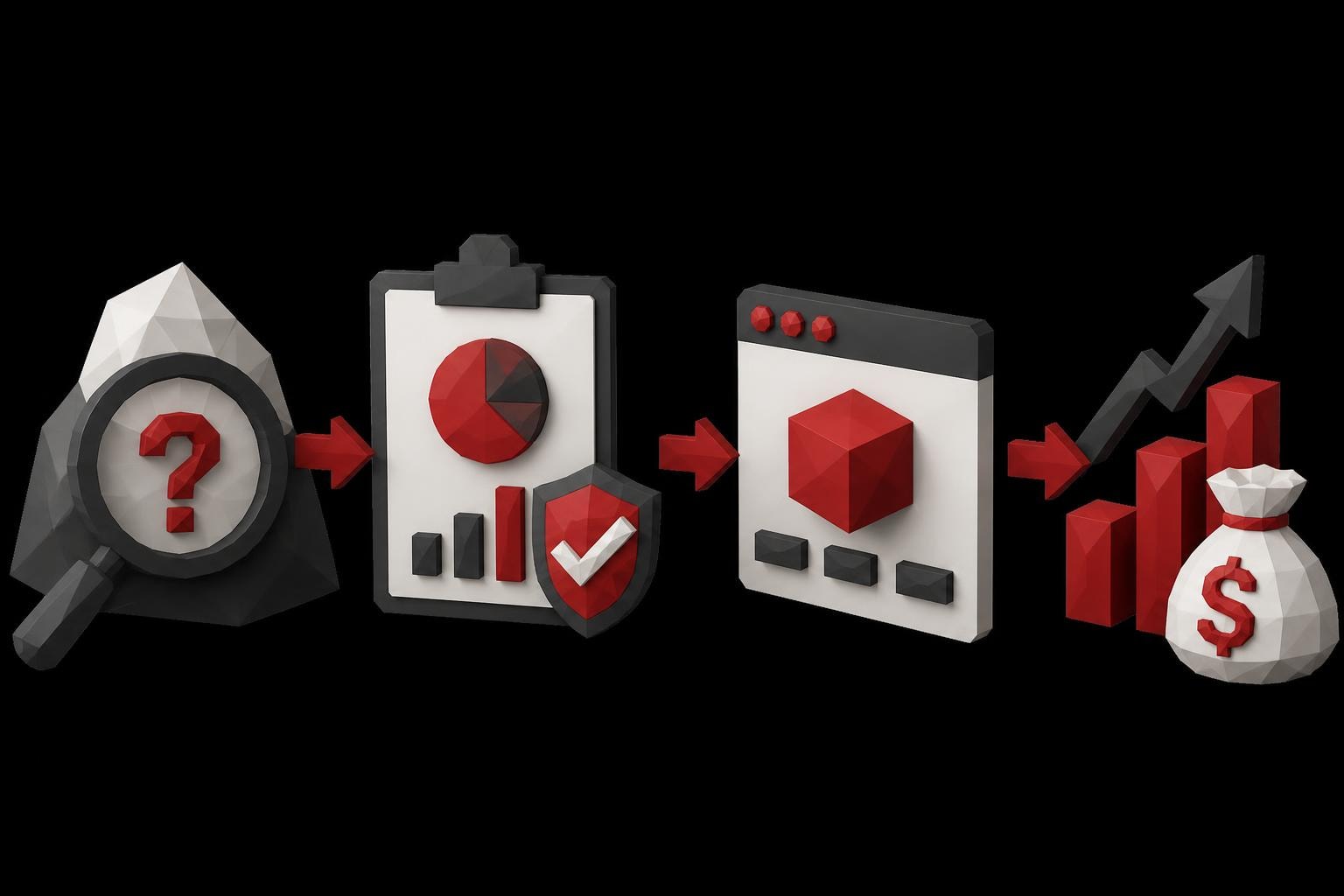
Navigating the complexities of leadership consulting in 2026 requires a clear, structured process. Modern organizations face accelerated change, and effective leadership consulting ensures they can adapt, thrive, and sustain growth. Here is a detailed walkthrough of each stage, highlighting how businesses achieve measurable transformation.

Step 1: Discovery and Needs Assessment
The first phase of leadership consulting is discovery. Consultants immerse themselves in the business, conducting stakeholder interviews, employee surveys, and culture diagnostics. This approach uncovers core challenges, whether it is a leadership pipeline gap or evolving team dynamics.
During discovery, data is gathered on organizational structure, strategic goals, and pain points. Consultants analyze this information and establish a baseline for improvement. The leadership consulting process hinges on understanding both quantitative and qualitative factors.
By mapping out the leadership landscape, firms ensure that consulting solutions are grounded in real needs, not assumptions. This step sets the foundation for every subsequent phase.
Step 2: Leadership Assessment and Benchmarking
Once needs are clear, leadership consulting moves to robust assessment. Using advanced tools like 360-degree feedback, psychometric evaluations, and proprietary capability assessments, consultants determine current leadership strengths and gaps.
Benchmarking is essential. Organizations are measured against industry standards and best practices. This ensures that leadership consulting recommendations are relevant and actionable. Assessments are data-driven, leveraging AI-powered platforms for objectivity.
Results are shared transparently with stakeholders. This step provides clarity, helping leaders understand where they excel and where development is needed. It also informs the design of tailored strategies.
Step 3: Strategy Development and Customization
After assessment, leadership consulting focuses on strategy. Consultants co-create a development roadmap that aligns with business goals and market realities. Every plan is customized, taking into account industry nuances and future growth targets.
Strategy sessions may include scenario planning, risk analysis, and talent pipeline mapping. Consultants and leaders collaborate to set clear milestones and outcomes. This step transforms assessment insights into actionable plans.
A key benefit of modern leadership consulting is flexibility. No two organizations are alike, so solutions are never generic. The strategy phase ensures every initiative is relevant and achievable.
Step 4: Implementation—Coaching, Training, and Development
Implementation breathes life into the strategy. Leadership consulting firms deliver one-on-one coaching, team workshops, and targeted training programs. The focus is on building skills, shifting mindsets, and accelerating impact.
Programs are designed with measurable outcomes. Consultants may use immersive simulations, peer learning, and executive coaching to drive change. New leaders receive onboarding support, helping them adapt quickly and confidently.
An example is a two-year talent program designed for high-potential professionals, where leadership consulting partners guide participants through structured development. This hands-on approach ensures that learning translates into real-world performance.
Step 5: Embedding Accountability and Measuring Progress
Accountability is the core of sustainable leadership consulting. Firms establish regular check-ins, feedback loops, and progress dashboards. Metrics are tracked in real time, allowing strategies to pivot as needed.
Organizations see the financial impact of their investment. For instance, research shows that leadership development yields $7 ROI per $1 invested. This data-driven approach demonstrates the tangible value of leadership consulting.
Consultants work closely with leaders to review results and adjust plans. This step ensures that growth is not just promised but delivered, building trust and momentum.
Step 6: Succession Planning and Future-Proofing
Leadership consulting does not end with immediate results. It extends to long-term resilience. Succession planning is prioritized, with consultants helping organizations identify, develop, and retain future leaders at every level.
Scenario planning is used to prepare for critical transitions. Consultants design succession pipelines, ensuring continuity in key roles. This proactive approach mitigates risk and positions the business for sustained success.
Leadership consulting partners guide organizations through seamless transitions, especially in sectors where leadership change is frequent or high stakes. This future-proofing step is vital for lasting competitiveness.
Step 7: Sustaining Results and Continuous Improvement
The final phase of leadership consulting centers on sustaining impact. Firms provide ongoing advisory, peer communities, and access to continuous learning resources. The goal is to keep leadership development aligned with evolving business needs.
Consultants encourage organizations to embed feedback and learning into their culture. This creates a cycle of growth, where leaders and teams constantly adapt to new challenges.
The leadership consulting journey is never truly finished. By prioritizing continuous improvement, organizations ensure they remain agile, innovative, and ready for whatever comes next.
Core Tools, Services, and Approaches in Modern Leadership Consulting
Modern leadership consulting employs a powerful blend of diagnostic tools, hands-on coaching, and innovative frameworks to drive meaningful change. Organizations today expect much more than advice. They want measurable impact, actionable strategies, and solutions tailored to their industry challenges.

Proprietary Assessment and Diagnostic Tools
A cornerstone of leadership consulting is the use of proprietary assessment and diagnostic tools. Firms leverage platforms like Executive Intelligence and Leadership Capability Assessment to measure strengths, gaps, and potential at every leadership level.
These tools use a combination of psychometric evaluations, 360-degree feedback, and performance analytics. Interactive workshops, such as those offered by Alpine One and Boyden, bring data to life, helping leadership teams interpret results and define priorities. Culture and team dynamics analytics further enhance the precision of recommendations.
| Tool Name | Purpose | Example Use Case |
|---|---|---|
| Executive Intelligence | Assess decision-making | CEO succession |
| Leadership Capability Assessment | Benchmark leadership skills | Team development |
| Culture Analytics | Diagnose culture fit | Mergers and acquisitions |
Leadership Development and Executive Coaching
At the heart of leadership consulting lies development and coaching. Leading firms provide tailored programs for individuals and groups, focused on building resilience, critical thinking, and emotional intelligence.
Coaching networks such as Cambria Consulting (via Spencer Stuart) match executives with specialized coaches who understand their industry. These relationships foster growth, unlock potential, and prepare leaders for the evolving demands of their roles. Leadership consulting ensures that development is not generic but aligned with business outcomes.
Leadership coaching can include:
- One-on-one executive coaching
- Group coaching for leadership teams
- Workshops on decision-making and communication
Succession Planning and Onboarding Solutions
Succession planning is no longer a periodic event. In leadership consulting, it is an ongoing strategic process. Firms design structured frameworks for identifying, preparing, and transitioning future leaders at every level.
Robust onboarding solutions accelerate the integration of new executives, reducing turnover risks and ensuring early impact. Leadership consulting partners guide organizations through scenario planning, contingency strategies, and seamless transitions. This approach is essential for companies navigating growth, transformation, or leadership exits.
Team Effectiveness and Organizational Alignment
High-performing teams are at the core of business success. Leadership consulting includes diagnostics and interventions to improve team effectiveness and align leadership teams with strategic direction.
Consultants use surveys, interviews, and real-time analytics to uncover friction points or misalignments. Interventions may include facilitated workshops, team coaching, and targeted skill-building. The goal is to create cohesive, agile teams that can execute on strategy and adapt to market changes.
Key benefits of team alignment:
- Improved collaboration and trust
- Faster decision-making
- Clarity in roles and responsibilities
Culture Transformation and Change Management
Culture is a powerful lever in leadership consulting. Firms deploy proprietary frameworks to define, diagnose, and shift organizational culture, ensuring it supports the company’s vision and strategy.
Culture transformation involves engaging leaders at every level, integrating new values, and building accountability. Leadership consulting partners facilitate change management, helping organizations navigate resistance, communicate effectively, and embed new behaviors. The result is a culture that drives engagement, innovation, and performance.
Technology-Enabled Consulting
Technology is reshaping leadership consulting. AI-driven analytics, digital dashboards, and scalable assessment platforms deliver objective insights and real-time progress tracking.
Firms leverage platforms that enable continuous measurement of leadership development outcomes. Data-driven approaches allow for benchmarking against industry standards and rapid course-correction. For a deeper look at how AI is transforming professional services, see AI’s impact on professional services by 2026.
Technology-enabled consulting ensures that leadership strategies remain agile, evidence-based, and aligned with the pace of change in today’s business environment.
Measuring the ROI and Impact of Leadership Consulting
Evaluating the return on investment for leadership consulting is essential for organizations seeking tangible business outcomes. In 2026, leaders demand clear evidence that their investment in leadership consulting produces measurable, lasting results. By using both quantitative and qualitative methods, organizations can capture the full impact of these initiatives.
Quantitative Metrics and KPIs
Quantifying the value of leadership consulting starts with clear performance indicators. Organizations commonly track financial outcomes like revenue growth, profitability, and market share. Talent metrics are equally critical, measuring retention rates, internal promotions, and the depth of leadership pipelines.
| Metric | Before Consulting | After Consulting |
|---|---|---|
| Revenue Growth (%) | 3.2 | 7.8 |
| Leadership Retention | 78% | 92% |
| Promotion Rate | 12% | 25% |
Industry research shows that companies with mature leadership development programs are 2.4 times more likely to achieve financial targets. For more data, see Leadership development statistics for 2025.
Qualitative Impact
Not all benefits of leadership consulting appear in spreadsheets. Enhanced organizational culture, improved employee engagement, and stronger collaboration often surface as major outcomes. Teams led by well-developed leaders adapt faster to disruption and maintain higher morale.
Organizations also report greater agility and innovation. These qualitative improvements, while less tangible, drive long-term value and help sustain competitive advantage. Leadership consulting catalyzes these shifts through intentional culture work and targeted development.
Case Studies and Success Stories
Real-world case studies highlight the transformative role of leadership consulting. In private equity, firms have leveraged consulting to drive value creation, accelerate post-acquisition integration, and ensure smooth executive transitions. Healthcare organizations have seen improved succession planning, resulting in higher patient satisfaction and reduced operational risk.
These examples demonstrate that effective leadership consulting produces results across industries. The common thread is a tailored, data-driven approach aligned with business objectives.
Common Pitfalls and How to Avoid Them
Some organizations struggle to realize the full ROI of leadership consulting. Common pitfalls include:
- Lack of executive buy-in or inconsistent involvement
- Over-reliance on generic frameworks that miss unique business challenges
- Insufficient accountability or follow-through on recommendations
To avoid these issues, leaders should ensure consulting efforts are customized, supported by leadership, and tracked with clear metrics. A transparent process and ongoing evaluation are critical for success.
Best Practices for Sustained Results
To maximize the impact of leadership consulting, organizations should:
- Embed continuous learning and real-time feedback into leadership programs
- Build internal capacity to sustain development beyond initial engagements
- Use technology for tracking progress and benchmarking results
Long-term success depends on making leadership consulting a core part of the business strategy, rather than a one-off event. When organizations commit to best practices, they unlock the full potential of their leaders and teams.
How to Choose the Right Leadership Consulting Partner in 2026
Selecting the right leadership consulting partner in 2026 is a pivotal decision for any business aiming to thrive in a rapidly changing landscape. With an abundance of options, knowing what to look for can make the difference between real transformation and wasted resources.
Key Criteria for Selection
Begin with the essentials. Assess each potential leadership consulting partner for proven industry expertise and a solid track record with organizations similar to yours. Look for a broad portfolio of services, including assessment, coaching, succession planning, and culture alignment.
Transparency in pricing and scope is critical. A partner willing to discuss details, such as those found in an executive coaching cost breakdown, demonstrates openness and reliability.
| Criteria | Why It Matters |
|---|---|
| Industry Expertise | Solutions tailored to your sector |
| Track Record | Evidence of successful outcomes |
| Service Breadth | Comprehensive, end-to-end support |
| Data-Driven Tools | Objective insights and measurable progress |
| Transparent Pricing | No hidden fees or surprises |
The Importance of Cultural Fit and Values Alignment
Cultural alignment is not optional in leadership consulting. The best consultants immerse themselves in your business, understanding its unique values, people, and goals. Choose a partner who resonates with your organizational culture, not just one who delivers “off-the-shelf” frameworks.
Ask yourself: Does this firm listen? Do they challenge you constructively? Are they committed to your vision, or only their methodology? The right cultural fit ensures recommendations are actionable and sustainable.
Red Flags to Watch Out For
Be vigilant for warning signs that may indicate a poor fit:
- Long-term contracts with little flexibility
- Overpromising results without clear metrics
- Reliance on generic frameworks
- “Guru” branding without substance
These red flags often signal a lack of genuine accountability or commitment to tailored leadership consulting outcomes.
Questions to Ask Prospective Consultants
Before making your decision, ask targeted questions to clarify each consultant’s approach:
- How do you measure success and ROI?
- What does your engagement process look like, step by step?
- Can you provide relevant case studies and references?
- How do you handle adjustments if business needs change?
These questions help ensure your leadership consulting partner will deliver measurable value and adapt as your organization evolves.
The Value of Ongoing Partnership vs. One-Off Engagements
Sustained relationships with leadership consulting firms offer more than one-time solutions. Ongoing advisory, peer communities, and continuous learning drive lasting impact. For organizations committed to leadership excellence, exploring resources like 10 books to transform your leadership can reinforce a culture of growth and innovation.
Building an enduring partnership enables your team to adapt to future challenges, develop internal leadership capacity, and maintain momentum. In 2026, the best results come from consultants who act as long-term allies, not just short-term fixers.